Is the CompTIA Troubleshooting Methodology Still on the A+ Exam? (No - Here Is What Is)
Practise the troubleshooting that is tested
Core 1's largest domain is Hardware and Network Troubleshooting at 28%. A free full paper shows how you do on it, PBQs included.
APLUS1-EXAM-FULL
Try a free A+ Core 1 exam
Already have an account? Log in to redeem
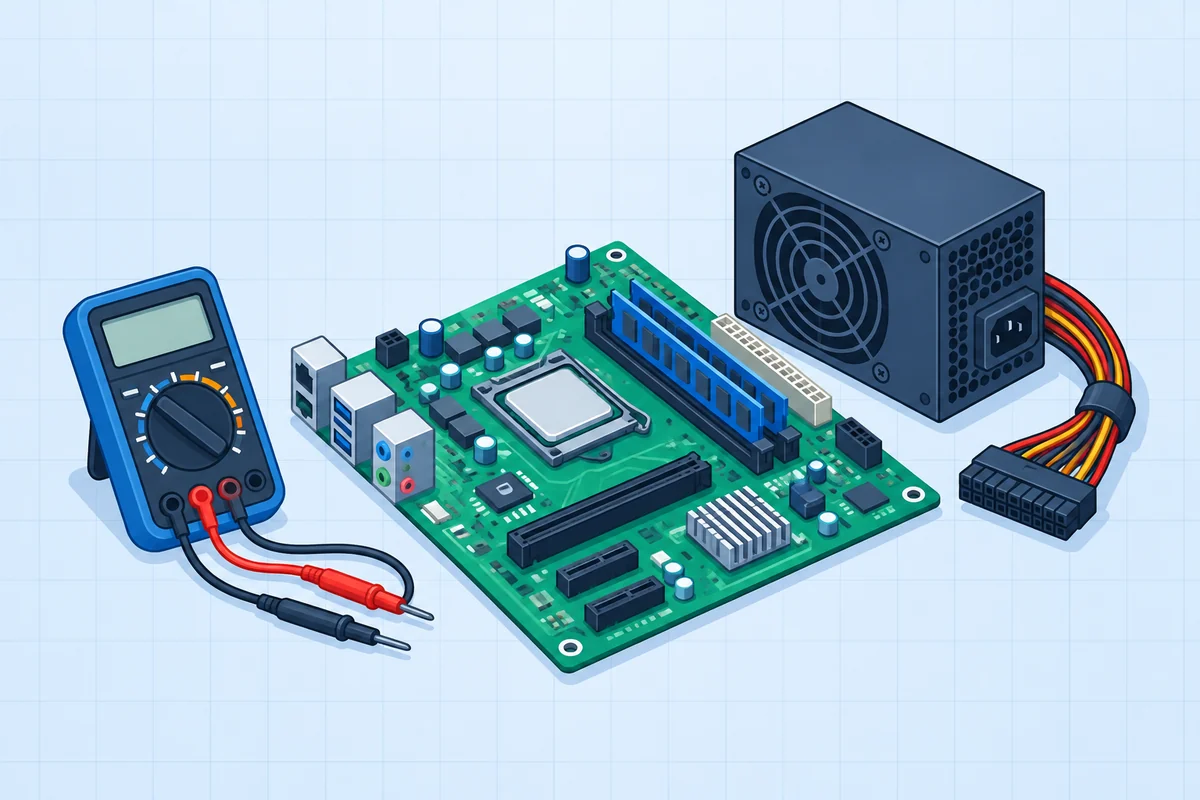 Hardware
Plan the motherboard upgrade.
Identify the exact sockets and connectors before installation.
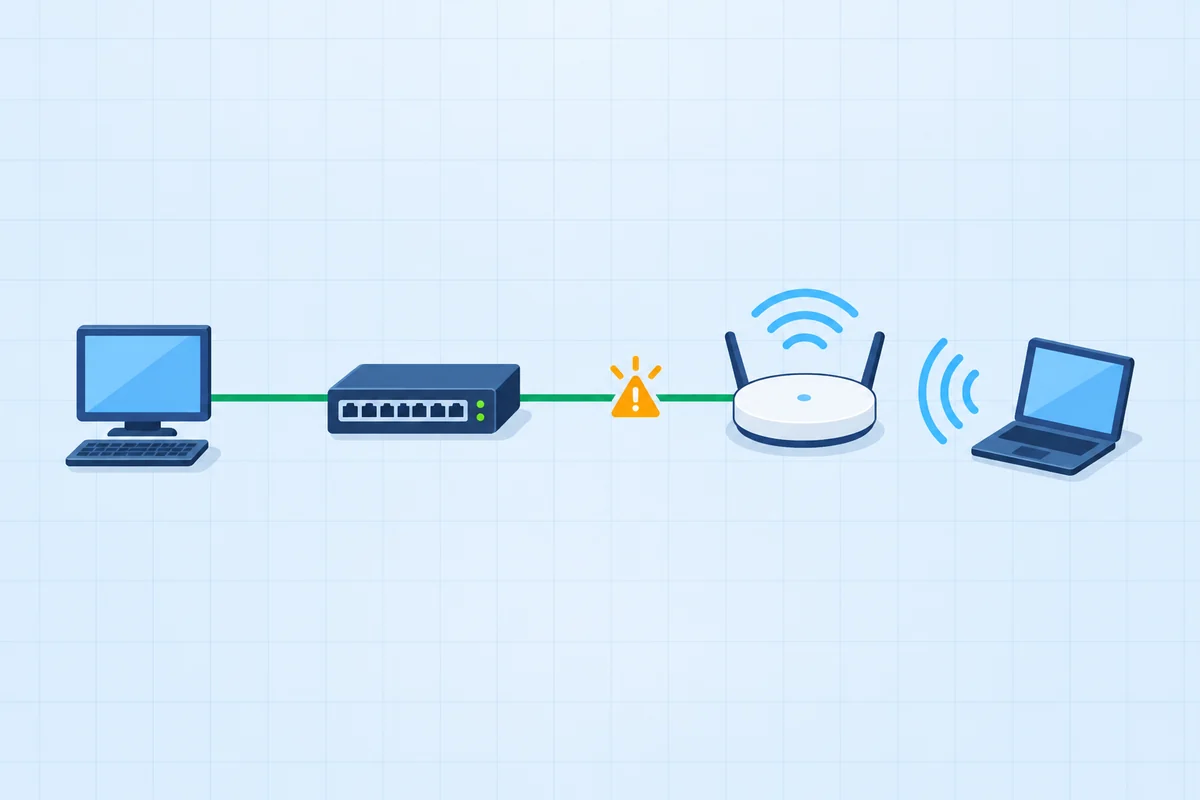 Networking
Connect the new access switch.
Three connections need three different interfaces.
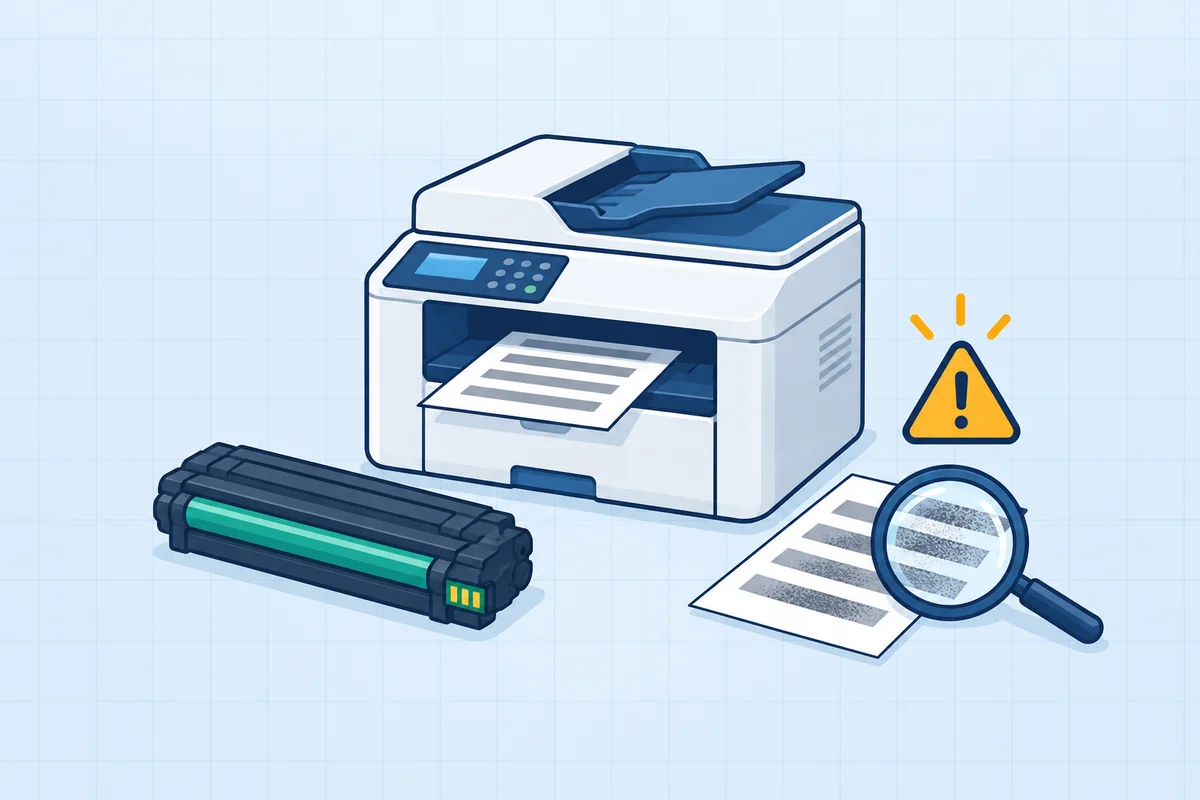 Troubleshooting
Service the laser printer.
Use the failure evidence to choose the right part.
PBQs from the A+ Core 1 pack, each graded outcome by outcome. The free Core 1 exam includes PBQs like these.
No. CompTIA's 220-1201 (V15) objectives print the troubleshooting methodology as a "competency standard" and state that "the methodology itself will not be tested". Older A+ versions tested it, which is why most study guides and AI answers still teach the six steps for the exam. On V15 the marks are in the troubleshooting scenarios: sub-objectives 5.1-5.6 on Core 1 and 3.1-3.4 on Core 2.From CompTIA's 220-1201 (V15) exam objectives, document version 4.0, checked 12 November 2026.
In this guide
What CompTIA's V15 objectives say
CompTIA A+ 220-1201 V15 exam objectives, document version 4.0
CompTIA explains that its subject matter experts still consider the methodology a best practice for new technicians and encourage training providers to teach it, but chose not to include it in the exam.
The six steps, as CompTIA lists them
- Identify the problem.
- Establish a theory of probable cause (question the obvious). Research the knowledge base or internet, if applicable.
- Test the theory to determine the cause.
- Establish a plan of action to resolve the problem and implement the solution.
- Verify full system functionality and, if applicable, implement preventive measures.
- Document findings/lessons learned, actions, and outcomes.
Worth knowing for the job and for interviews, and it still shapes how you read a scenario. It is no longer a set of questions to memorise for V15.
What is tested instead
| Core | Sub-objective | Given a scenario, troubleshoot... |
|---|---|---|
| Core 1 | 5.1 | Motherboards, RAM, CPUs and power |
| Core 1 | 5.2 | Drive and RAID issues |
| Core 1 | 5.3 | Video, projector and display issues |
| Core 1 | 5.4 | Common mobile device issues |
| Core 1 | 5.5 | Network issues |
| Core 1 | 5.6 | Printer issues |
| Core 2 | 3.1 | Common Windows OS issues |
| Core 2 | 3.2 | Common mobile OS and application issues |
| Core 2 | 3.3 | Common mobile OS and application security issues |
| Core 2 | 3.4 | Common personal computer security issues |
Each lists symptoms such as grinding noises, a missing array, frozen print queues or intermittent connectivity. The skill tested is matching the symptom to the likely cause and fix.
Why the old answer is everywhere
The methodology was a formal objective on earlier A+ versions, so most books, flashcard decks, dumps and AI training data present it as exam content. If a practice question asks "what is the FIRST step" of the methodology, it was probably written for 220-1101. More V14 to V15 differences: what changed in A+ V15.
Test yourself on the troubleshooting that counts
A full Core 1 paper, free, where troubleshooting is the largest domain at 28%.
Try a free A+ Core 1 examA+ packs are $39 once per core: 4 Core 1 exams (354 questions, 19 PBQs) and 3 Core 2 exams (262 questions, 15 PBQs), lifetime.
Frequently asked questions
Is the troubleshooting methodology on the A+ 220-1201 exam?
No. CompTIA's V15 objectives state that the methodology itself will not be tested, and print it as a competency standard rather than an exam objective.
What are the six steps of the CompTIA troubleshooting methodology?
Identify the problem; establish a theory of probable cause; test the theory; establish a plan of action and implement the solution; verify full system functionality and implement preventive measures; document findings, actions and outcomes.
Was the troubleshooting methodology on older A+ exams?
Yes. It was a formal objective on earlier versions such as 220-1101, which is why most study material still teaches it as exam content.
Should I still learn the troubleshooting methodology?
Learn it for the job and for interviews, but do not spend final-week time memorising it for V15. Study the troubleshooting scenarios in Core 1 domain 5 and Core 2 domain 3 instead.
What troubleshooting is tested on A+ V15?
Scenario sub-objectives: Core 1 5.1-5.6 (hardware, drives and RAID, displays, mobile devices, networks, printers) and Core 2 3.1-3.4 (Windows, mobile OS and applications, and security issues).