How Hard Is CompTIA A+? Difficulty, Study Time, and Whether It Is Worth It
Skip the guessing - find out how hard it is for you
A complete A+ practice exam for each core: up to 90 questions in 90 minutes with interactive PBQs, an Exam Tip on every item and an Exam Coach report that ranks your weakest domains.
APLUS1-EXAM-FULL
Try a free A+ Core 1 exam
APLUS2-EXAM-FULL
Try a free A+ Core 2 exam
Already have an account? Log in to redeem
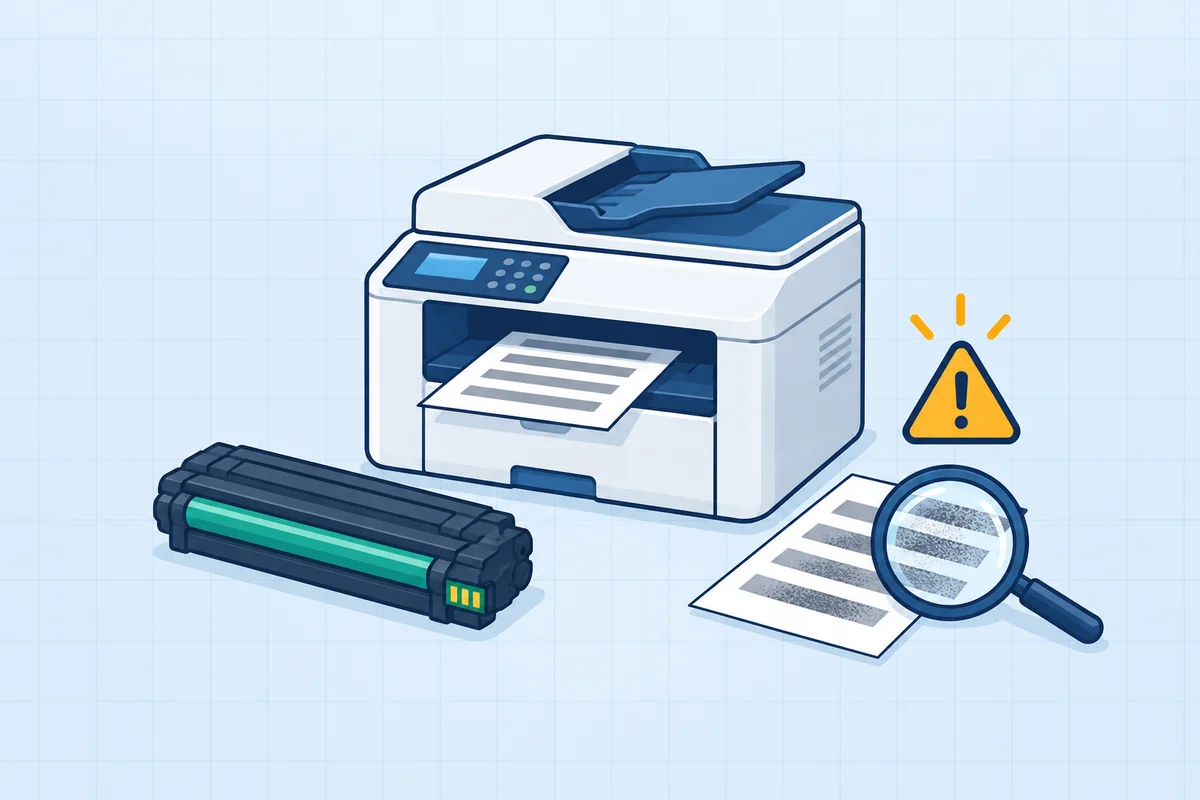 Troubleshooting
Service the laser printer.
Use the failure evidence to choose the right part.
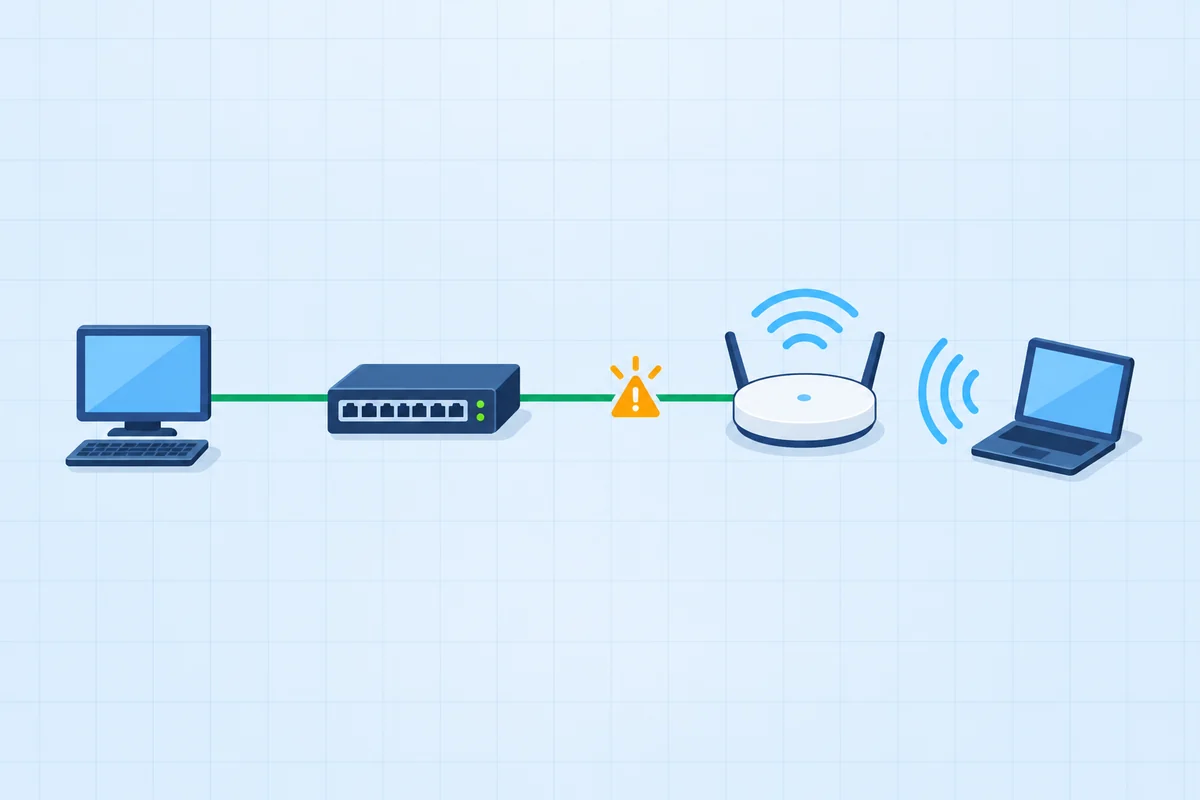 Networking
Connect the new access switch.
Three connections need three different interfaces.
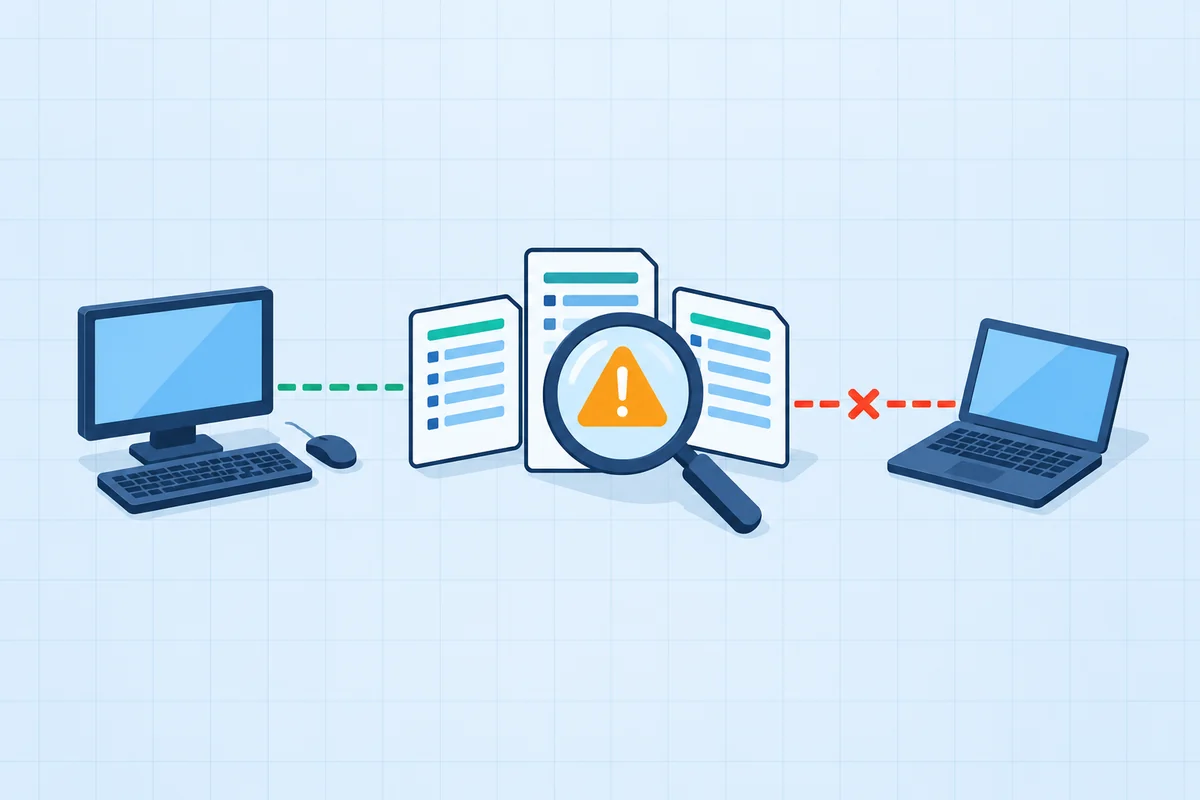 Security
Remove the confirmed infection through the approved recovery gates.
Isolation, trusted remediation and verified return are separate stages.
PBQs from the A+ Core 1 and Core 2 packs, each graded outcome by outcome. Each free A+ exam includes PBQs like these, where the real exam puts them.
CompTIA A+ is an entry-level certification, but it is two exams, so the effort is in breadth rather than depth. Plan on roughly 45-60 hours per core with some IT exposure and 60-80 per core from scratch. Core 2 is usually the harder of the two: 64% of its sub-objectives start with "Given a scenario", against 48% on Core 1, and it needs 700 to pass against Core 1's 675. CompTIA publishes no pass rate.Planning estimates by FigigExams; objective counts from CompTIA's V15 objectives, checked 12 November 2026.
In this guide
What makes A+ hard
- Two exams, two syllabuses. Core 1 is hardware, networking, mobile devices, virtualization and hardware troubleshooting. Core 2 is operating systems, security, software troubleshooting and operational procedures. You study, book and pay for each one separately.
- Breadth. 27 sub-objectives on Core 1 and 36 on Core 2, from Wi-Fi bands and RAID levels to Windows settings, Linux commands and change management.
- Scenario questions and PBQs. "Given a scenario" sub-objectives are the ones most likely to appear as performance-based questions. Core 1 has 13 of 27; Core 2 has 23 of 36.
- Up to 90 questions in 90 minutes. The PBQs take far longer than a multiple-choice item, so pacing matters on both cores.
What it is not: deep. A+ checks that you can recognise, configure and fix common problems in a support role. That is why CompTIA aims it at people starting in IT.
Which core is harder?
| Core 1 (220-1201) | Core 2 (220-1202) | |
|---|---|---|
| Passing score | 675 / 900 | 700 / 900 |
| Sub-objectives | 27 | 36 |
| Start with "Given a scenario" | 13 (48%) | 23 (64%) |
| Largest domain | Hardware and Network Troubleshooting, 28% | Operating Systems and Security, 28% each |
| Feels hard for | People who have never opened a PC or set up a router | People who have never used Windows tools, the command line or Linux |
Most candidates find Core 2 harder: more sub-objectives, more scenarios and a higher pass mark. People who already build PCs often find Core 1 easy and Core 2 the real work; people from a software or office background often find the reverse. The full comparison: A+ Core 1 vs Core 2.
How long it takes to study for A+
| Starting point | Per core | Both cores | At 8 hours a week |
|---|---|---|---|
| Already in IT support | 25-40 hours | 50-80 hours | 6-10 weeks |
| Some IT exposure (home PCs, a course) | 45-60 hours | 90-120 hours | 11-15 weeks |
| New to IT | 60-80 hours | 120-160 hours | 15-20 weeks |
Planning estimates, not measured data. Each range adds up one video course, notes on your weak domains, PBQ practice and two or three timed full-length papers per core with review. The month for one core, laid out: A+ 30-day plan.
Is A+ worth it in 2026?
| Your situation | Verdict | Why |
|---|---|---|
| Aiming for help desk, desktop support or field technician work | Yes | These are the roles CompTIA designs A+ for, and CompTIA says A+ appears in more tech support job listings than any other IT credential. |
| Changing career into IT with no experience | Yes | It gives you a checklist of what entry-level support work involves, and a credential a recruiter can filter on. |
| Already working in IT support for a few years | Only if a job asks for it | Your experience already shows the skills. Network+ or Security+ usually adds more. |
| Heading straight for networking or security | Optional | A+ is not a prerequisite for Network+ or Security+, though CompTIA's path starts here. |
It costs $274 per exam ($548 for both) and lasts three years. Salary figures published online disagree widely and most come from training vendors, so we do not quote one. Job ads in your own city are better evidence.
What jobs can you get with A+?
CompTIA tags A+ with the help desk support specialist role, and the certification is aimed at entry-level support work: help desk and service desk technician, desktop support, field service technician and junior IT support. A+ on its own rarely wins the job; pair it with something you can show, such as a home lab, a repaired machine or a small network you set up and documented.
What usually comes next: Network+ for networking roles, Security+ for security, or the whole ladder on the CompTIA certification path.
Do you need experience, coding or a degree?
- Experience: CompTIA recommends 12 months of hands-on experience in an IT support role. It is a recommendation, not a requirement; there is no prerequisite exam.
- Coding: not needed. Core 2 sub-objective 4.8 asks you to explain the basics of scripting (what a script is for and the common file types), not to write programs.
- A degree: not needed. CompTIA sets no education requirement for A+.
How to tell you are ready
- 85% or more on two unseen papers per core, timed, with the PBQs included. That is the bar on our readiness page.
- No domain far behind. Troubleshooting on Core 1 and Operating Systems and Security on Core 2 carry the most weight.
- PBQs inside the clock. If the simulations eat a large share of the 90 minutes, practise them on their own before another full paper.
Measure your own difficulty, not ours
A full-length paper for each core with interactive PBQs and an Exam Coach report that ranks your domains by the marks they cost. Free, no credit card.
Try a free A+ Core 1 exam Try a free A+ Core 2 examA+ packs are $39 once per core: 4 Core 1 exams (354 questions, 19 PBQs) and 3 Core 2 exams (262 questions, 15 PBQs), lifetime.
Frequently asked questions about A+ difficulty
Is CompTIA A+ hard?
It is an entry-level certification, but it is two exams covering hardware, networking, operating systems, security and troubleshooting. The difficulty is breadth and the scenario questions, not depth. Most people with some IT exposure need 45-60 hours of study per core.
Which is harder, A+ Core 1 or Core 2?
Most candidates find Core 2 harder. It has 36 sub-objectives against 27, 64% of them are scenario-based against 48%, and it needs 700 to pass against 675 on Core 1.
How long does it take to study for A+?
As a planning estimate, 45-60 hours per core with some IT exposure, so 90-120 hours for both, and 60-80 hours per core if you are new to IT. At 8 hours a week that is about three to four months for the full certification.
Is CompTIA A+ worth it in 2026?
Yes if you are aiming for help desk, desktop support or field technician work, or changing career into IT. If you already have a few years in IT support, Network+ or Security+ usually adds more.
Can I get a job with only A+?
It helps with entry-level support roles, which is what CompTIA designs it for, but it rarely wins the job on its own. Pair it with something you can show, such as a home lab or a documented repair or network setup.
How much does an A+ certified technician earn?
Salary figures published online disagree widely and most come from training vendors, so we do not quote one. Compare live job ads for help desk and desktop support roles in your own city.
What is the A+ pass rate?
CompTIA does not publish one. Pass rates quoted online are estimates, usually from training vendors.
Do I need to know coding for A+?
No. Core 2 sub-objective 4.8 asks you to explain the basics of scripting, such as what a script is for and the common file types, not to write programs.
Can I pass A+ with no experience?
Yes. CompTIA recommends 12 months of hands-on IT support experience, but it is not required. Without it, plan on the top of the study range and build a small home lab as you go.