Wi-Fi for CompTIA A+ 220-1201: Bands, Channels, 802.11 Standards, Bluetooth, NFC and RFID
Wireless shows up in Networking and Troubleshooting
A complete A+ Core 1 practice exam with interactive PBQs, including a SOHO network set-up, and an Exam Coach report.
APLUS1-EXAM-FULL
Try a free A+ Core 1 exam
Already have an account? Log in to redeem
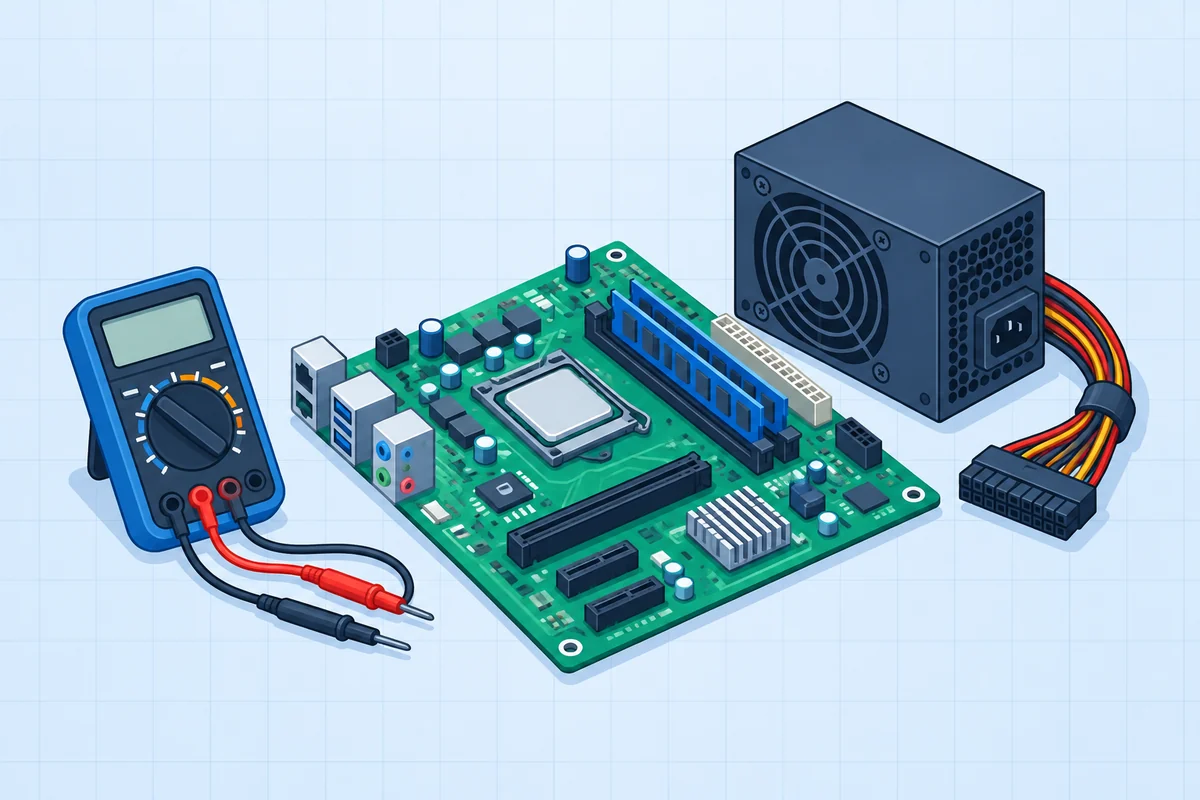 Hardware
Plan the motherboard upgrade.
Identify the exact sockets and connectors before installation.
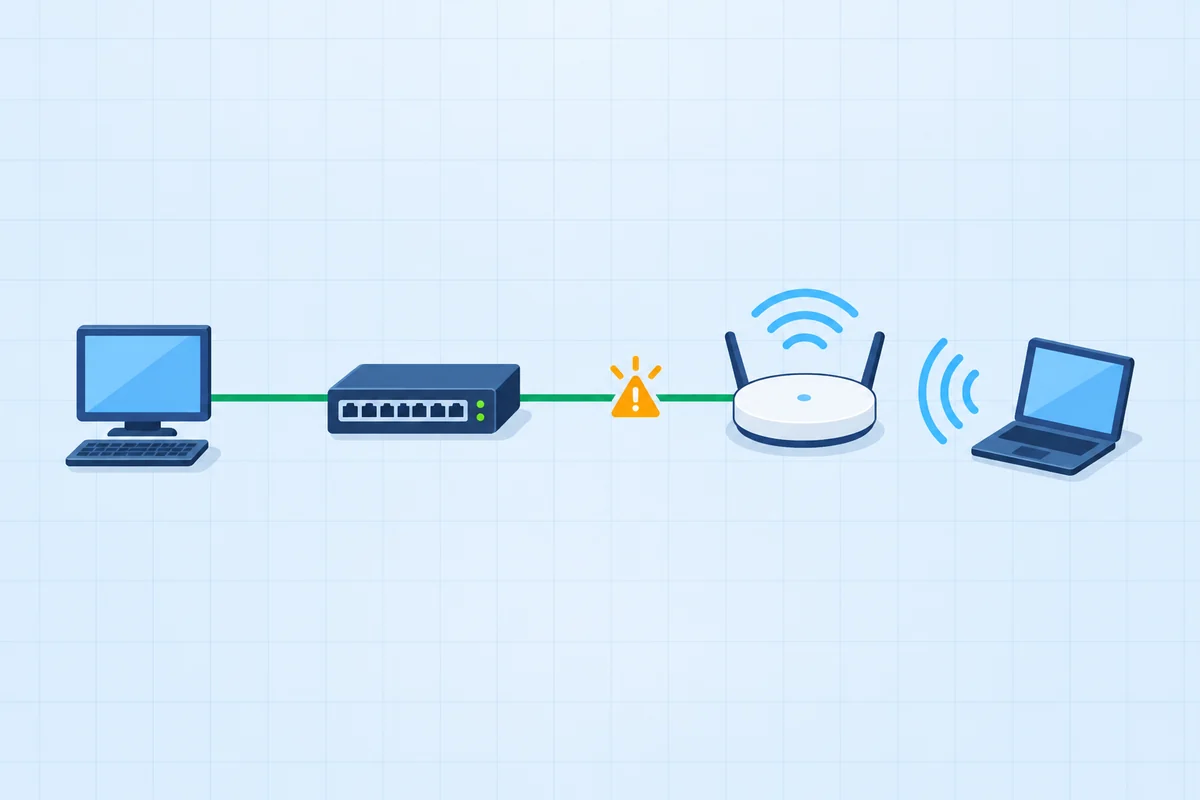 Networking
Connect the new access switch.
Three connections need three different interfaces.
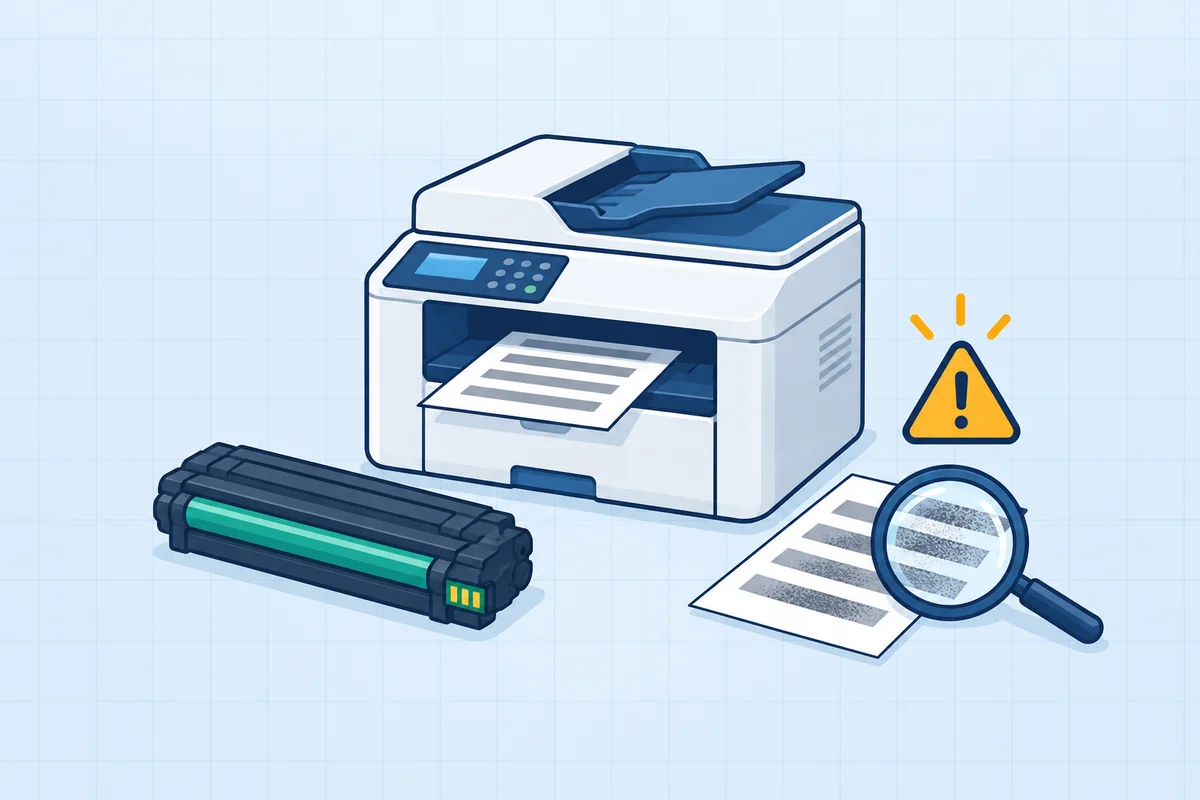 Troubleshooting
Service the laser printer.
Use the failure evidence to choose the right part.
PBQs from the A+ Core 1 pack, each graded outcome by outcome. The free Core 1 exam includes PBQs like these.
A+ Core 1 sub-objective 2.2 covers frequencies (2.4, 5 and 6 GHz), channels (regulations, and selection by width, frequency and band), 802.11 standards, Bluetooth, NFC and RFID. The core trade-off: 2.4 GHz reaches further but is slower and crowded; 5 GHz is faster with less range; 6 GHz (Wi-Fi 6E and 7) adds clean, wide channels at the shortest range.From CompTIA's 220-1201 (V15) exam objectives, document version 4.0, checked 12 November 2026.
In this guide
2.4 GHz vs 5 GHz vs 6 GHz
| 2.4 GHz | 5 GHz | 6 GHz | |
|---|---|---|---|
| Range | Longest; best through walls | Medium | Shortest |
| Speed | Lowest | Higher | Highest |
| Interference | Crowded: microwaves, Bluetooth, neighbours | Less crowded | Least crowded |
| Non-overlapping channels | Three at 20 MHz (1, 6 and 11 in North America) | Many | Many, including wide channels |
| Needs | Any Wi-Fi device | Dual-band devices | Wi-Fi 6E or Wi-Fi 7 devices |
Channels, widths and regulations
Wider channels (20, 40, 80, 160 MHz and more) carry more data but use more spectrum and overlap more easily, so they suit uncrowded bands. In 2.4 GHz stick to 20 MHz channels 1, 6 or 11 to avoid overlap. Which channels and power levels are allowed depends on regulations in each country, which is why a device imported from elsewhere may not see every channel.
802.11 standards and Wi-Fi generations
| Standard | Wi-Fi name | Bands | Theoretical maximum |
|---|---|---|---|
| 802.11b | - | 2.4 GHz | 11 Mbps |
| 802.11a | - | 5 GHz | 54 Mbps |
| 802.11g | - | 2.4 GHz | 54 Mbps |
| 802.11n | Wi-Fi 4 | 2.4 and 5 GHz | 600 Mbps |
| 802.11ac | Wi-Fi 5 | 5 GHz | About 6.9 Gbps |
| 802.11ax | Wi-Fi 6 / 6E | 2.4 and 5 GHz; 6E adds 6 GHz | About 9.6 Gbps |
| 802.11be | Wi-Fi 7 | 2.4, 5 and 6 GHz | About 46 Gbps |
V15's 2.2 says "802.11 standards" without listing letters, so expect questions on bands and capability rather than memorised speeds. Real-world throughput is far below these maximums.
Bluetooth, NFC and RFID
| Technology | Range | Typical use |
|---|---|---|
| Bluetooth | Short, typically up to about 10 m | Headsets, keyboards, mice, phone pairing |
| NFC (near-field communication) | A few centimetres | Contactless payment, tap-to-pair, badges |
| RFID (radio-frequency identification) | Centimetres to metres, by tag type | Asset tags, inventory, access badges |
Where it meets the SOHO PBQ
Sub-objective 2.6 asks you to configure a small office or home office network: SSID, band, channel, encryption and DHCP settings. A typical scenario: users far from the router drop off 5 GHz, so you put them on 2.4 GHz or add an access point. Encryption choices (WPA and its versions) are tested in Core 2 2.3 and 2.10.
Wi-Fi: practice questions
Five questions, answers explained. No signup.
Wireless is part of Networking's 23%
A full Core 1 paper tests it with SOHO set-up and troubleshooting. Free, no credit card.
Try a free A+ Core 1 examA+ packs are $39 once per core: 4 Core 1 exams (354 questions, 19 PBQs) and 3 Core 2 exams (262 questions, 15 PBQs), lifetime.
Frequently asked questions
Which Wi-Fi standards are on the A+ exam?
220-1201 sub-objective 2.2 lists 802.11 standards along with the 2.4, 5 and 6 GHz frequencies, channel regulations and selection, Bluetooth, NFC and RFID. It does not list individual 802.11 letters.
What is the difference between 2.4 GHz and 5 GHz Wi-Fi?
2.4 GHz has longer range and better wall penetration but lower speed and more interference. 5 GHz is faster and less crowded but has shorter range.
Is 6 GHz Wi-Fi on A+ 220-1201?
Yes. 6 GHz is listed in sub-objective 2.2. It needs Wi-Fi 6E or Wi-Fi 7 devices and offers wide, uncrowded channels at the shortest range.
What are the non-overlapping 2.4 GHz channels?
Channels 1, 6 and 11 at 20 MHz width in North America.
What is the difference between NFC and RFID?
NFC works over a few centimetres between two active devices, as in contactless payment. RFID reads tags at a distance that depends on the tag, as in asset tracking and badges.